20 November 2026
Water Damage Restoration In Miami
Presented by @water-damage-restoration-miami
Understanding Water Damage Restoration in Miami
When it comes to protecting your premises from the adverse effects of water incursion, Miami's water damage restoration is an essential service. Whether it’s due to heavy rain or plumbing issues, our tropical locale is no stranger to water-related mishaps. The warm climate combined with storms can lead to unexpected flooding and water damage, making prompt restoration crucial for mitigating further deterioration.
Why Choose Professional Water Damage Restoration?
Attempting to manage water damage on your own can be both daunting and ineffective. Professionals trained in Miami's water damage restoration sector have the expertise and tools necessary for successful restoration. They can identify hidden moisture, halting mold growth and long-term structural problems that could arise if water damage is not treated promptly. Moreover, experts can address the insurance claims process, which can be a complicated experience for homeowners.
Steps Involved in Water Damage Restoration
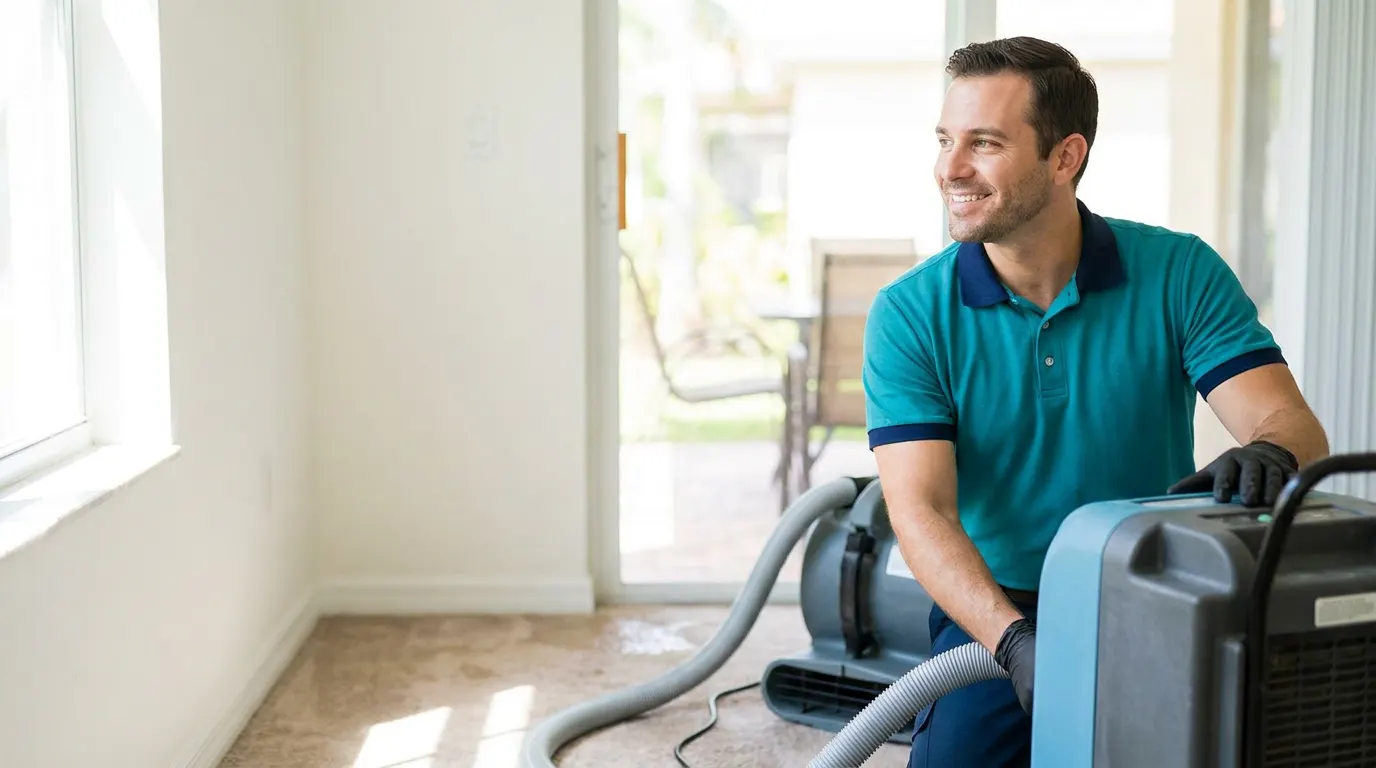
The process of water damage restoration in Miami typically involves several key steps. First, analyzing the extent of the damage is crucial. Experts will perform a detailed inspection to determine the source and the scale of the spread. They then eliminate standing water using advanced equipment to prevent further damage. After this, the area must be dried thoroughly; this is often where high-velocity fans and dehumidifiers come into play. Finally, any affected materials, from drywall to flooring, may need to be replaced to ensure the space is safe water damage restoration Miami for occupancy.
Water Damage Restoration Miami
Miami, FL
Phone: (305) 845-4330
Water Damage Restoration Miami specializes in swift and reliable water damage restoration services, ensuring homes and businesses bounce back from disasters. With expert technicians and cutting-edge equipment, they tackle everything from leaks to floods. Don’t let water woes linger—call them today to restore your peace of mind!
FAQ About Water Damage Restoration
What are the signs of water damage in a home?
Signs of water damage can include discolored patches on walls or ceilings, peeling paint, warped flooring, and a musty odor. Homeowners may also notice increased humidity levels and mold growth. It's crucial to inspect areas around windows, pipes, and basements regularly.
How can I prevent water damage in my home?
To prevent water damage, regularly inspect your roof and gutters for leaks and clogs. Ensure proper drainage around your home, repair any plumbing issues promptly, and use waterproof materials in vulnerable areas. Additionally, maintaining humidity levels and using dehumidifiers can help.
What should I do immediately after water damage occurs?
Immediately turn off the water source if possible, and ensure your safety by avoiding electrical hazards. Remove any valuable items and furniture from the affected area. If safe, start drying the area with fans and dehumidifiers, and contact a professional restoration service for assistance.
How long does the water damage restoration process take?
The water damage restoration process can vary depending on the extent of the damage. Generally, it can take a few days to several weeks. Factors include the amount of water, affected materials, and drying times. Professional services can expedite the process significantly.
Is water damage covered by homeowners insurance?
Water damage coverage can depend on the cause of the damage. Most homeowners insurance policies cover sudden and accidental water damage, such as burst pipes. However, damage caused by neglect or flooding may not be included, so it's essential to review your policy details.
Prevention Tips for Homeowners
While restoring water damage in this city is essential, preventing water damage in the first place is always the best strategy. Homeowners should regularly inspect their roofs and gutters to ensure they are in good condition and clear of debris. Additionally, installing sump pumps in basements or low-lying areas can help control potential flooding during heavy rain. It’s also wise to keep an eye on sinks for any signs of leaks, as minor issues can turn into major headaches if left unchecked. Investing in preventive measures can save homeowners from the stress and hassle https://waterdamagerestorationmiamifl.net/ of dealing with water damage down the line.